When it comes to metalworking and surface preparation, choosing the right abrasive tool is critical. Flapper discs and grinding wheels are popular choices in industries that require precise metal shaping and surface finishing. Understanding the differences between these two tools can significantly impact the efficiency, cost, and final results of a project. This article explores the design contrasts, efficiency levels, durability, cost implications, and typical use cases of flapper discs and grinding wheels. Whether you are using an angle grinder cutting disc or selecting a metal grinding wheel, this guide will help you make an informed decision.
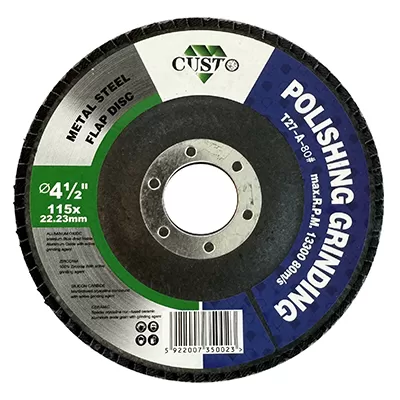
Flapper discs and grinding wheels are designed differently, affecting their functionality and applications. A flapper disc consists of multiple overlapping pieces, or "flaps," of abrasive material adhered to a backing plate. These flaps provide a wide, uniform grinding surface that wears slightly over time, continuously exposing fresh abrasive for a consistent finish.
In contrast, grinding wheels are typically one-piece, circular abrasive tools that provide a more aggressive material removal. They are made from abrasive grains bonded together with a binder, and they are engineered for tasks that require more force and less finesse.
| Abrasive Tool | Design | Common Materials |
|---|---|---|
| Flapper Disc | Overlapping abrasive flaps | Ceramic, Aluminum oxide |
| Grinding Wheel | Solid bonded circular abrasive | Silicon carbide, Aluminum oxide |
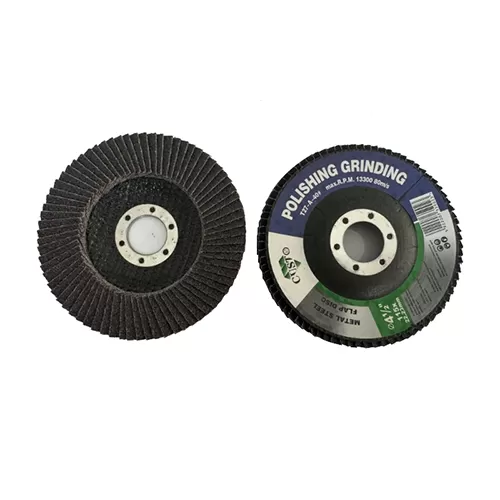
Efficiency in abrasive tools is measured by how fast and effectively they can remove material. The flapper wheel for angle grinder series tends to be more efficient for blending and finishing tasks due to its unique design. These abrasive wheels can smooth and finish surfaces more quickly than grinding wheels because they continuously expose fresh abrasive materials.
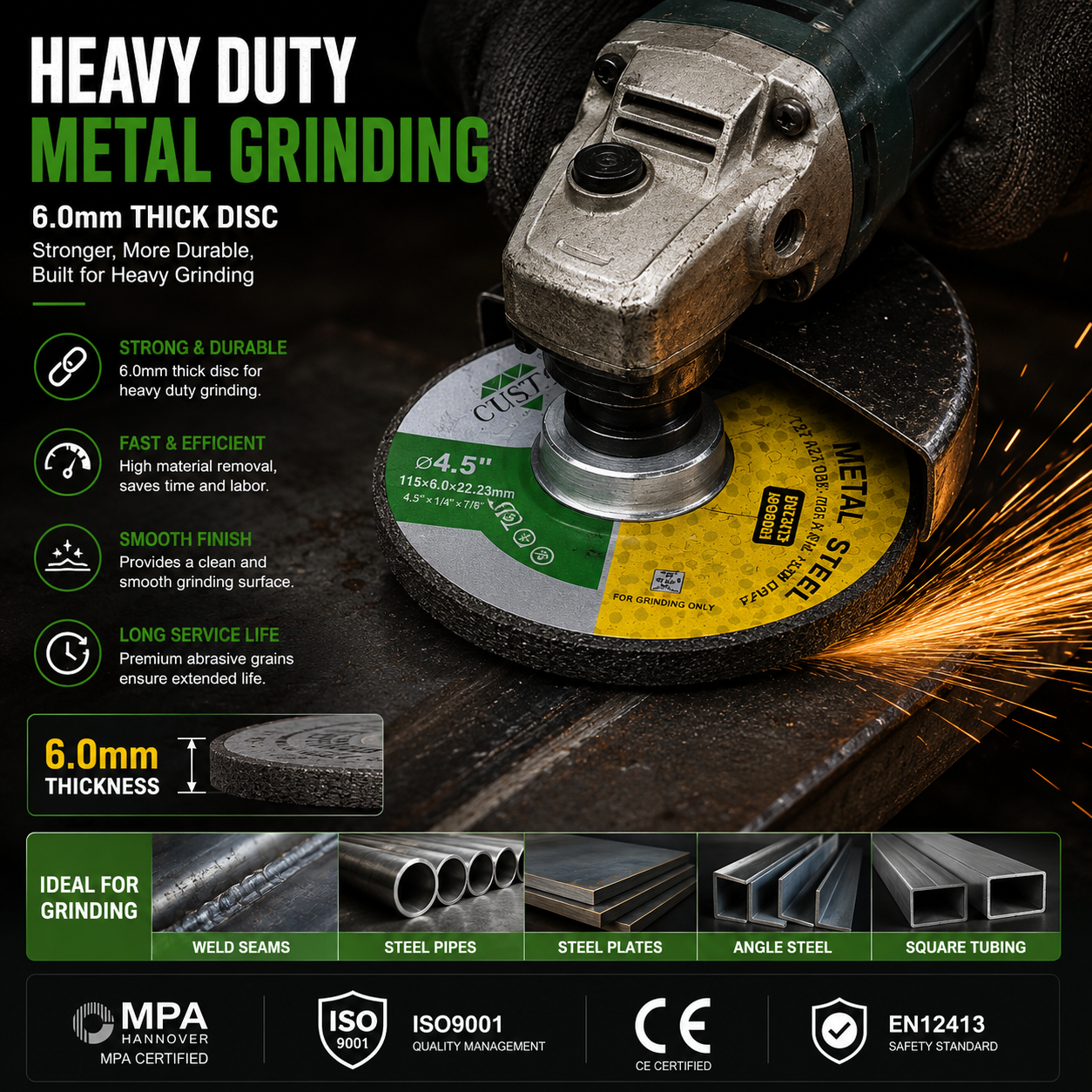
On the other hand, the abrasive grinding wheel series offers high efficiency in heavy material removal tasks. When working with thick metal or needing aggressive grinding, grinding wheels can outperform flapper discs due to their durability and ability to maintain shape under pressure. Whether using an abrasive wheel like a cut off wheel for a grinder, the specific task will dictate the most efficient tool.
The durability of an abrasive tool is an essential consideration for cost-effectiveness and performance. Flapper wheels are known for their longevity because of the multiple layers of abrasive materials that unfold as the disc wears down. This resilience makes them ideal for longer tasks requiring a consistent finish.
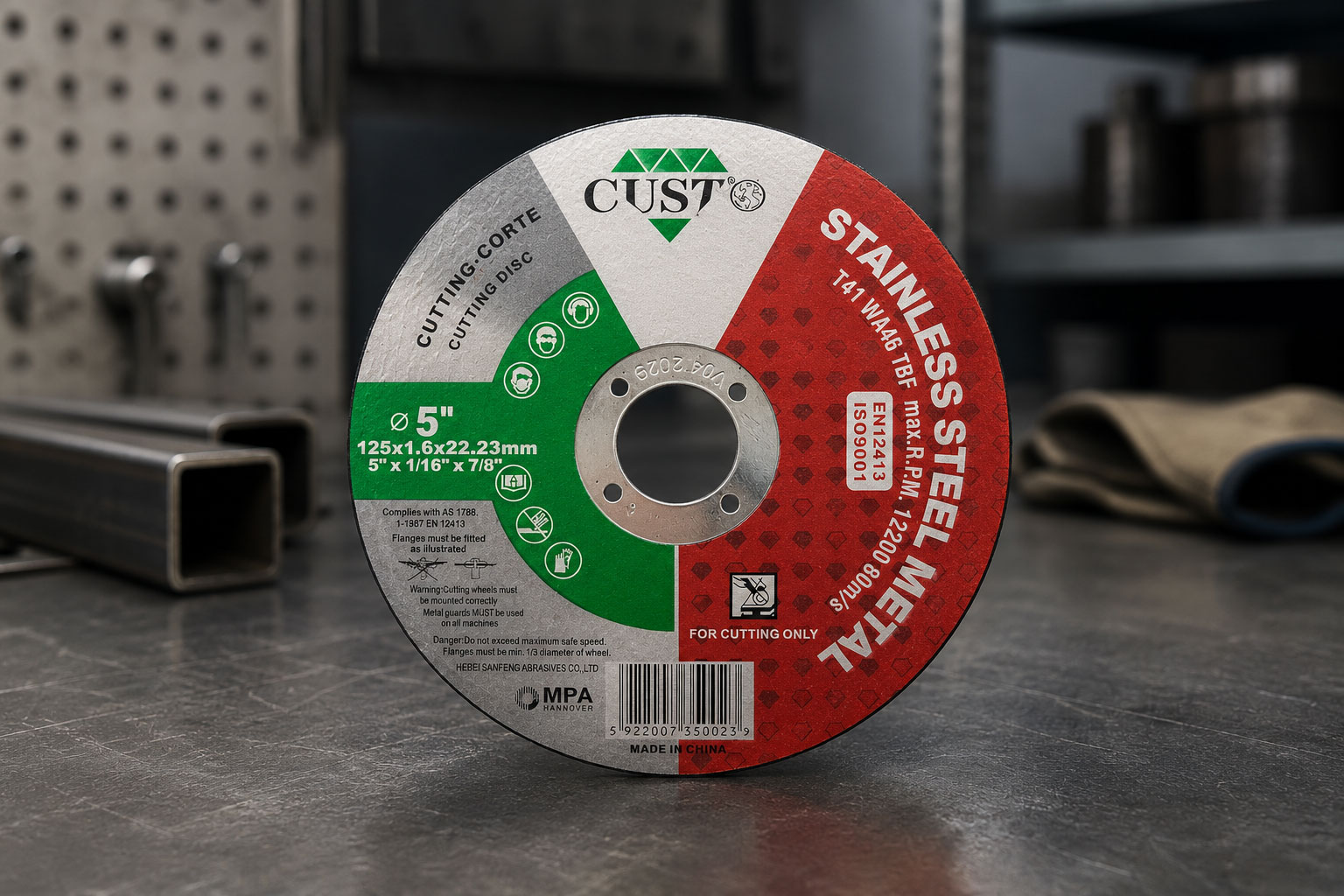
In contrast, grinding wheels, such as flexible grinding wheels, are traditionally less durable when used for continuous surface finishing. However, they excel in endurance for heavy-duty grinding and cutting tasks due to their robust, bonded structure. Whether considering a grinding disc for metal or a cutting disc, the tool’s durability impacts the frequency of replacement and operational costs.
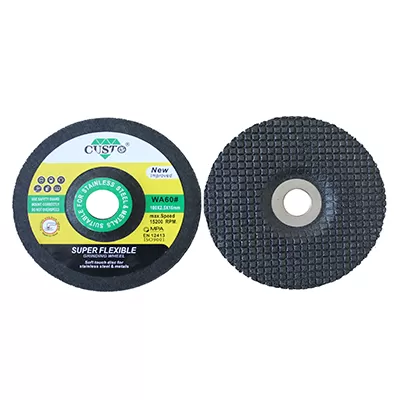
Raw material usage and production complexity influence the cost of these abrasive tools. Grinding wheels for metal, such as 7 inch metal grinding discs, with simpler construction, are generally less expensive than flapper discs. However, the total cost of ownership may vary depending on the application requirements and frequency of use.
| Abrasive Tool | Average Cost | Replacement Frequency |
|---|---|---|
| Flapper Disc | Higher initial cost | Last longer with frequent use |
| Grinding Wheel | Lower initial cost | Requires frequent replacement in finishing tasks |
Identifying the right use cases for flap discs versus grinding wheels is essential for optimizing performance. Flap discs are excellent for applications that require a smooth finish on metal surfaces, such as preparing a metal surface for painting or welding. They are ideal for blending, sanding, and polishing tasks.
Cutting wheels and grinding wheels are better matched for projects involving severe material removal or using heavy-duty machinery like angle grinders. They excel in tasks like cutting through thick metal, removing welds, or shaping metal parts. Options like the 120-grit flap disc or 14 cut-off wheel can be crucial tools in more severe environments.
Ultimately, the choice between a flap disc for a grinder and a grinding wheel depends on the project requirements, material thickness, and required finish quality. Be sure to consider the material compatibility and inherent advantages of each tool to make the best choice for your needs.
Both flapper discs and grinding wheels serve essential roles in metalwork and surface preparation. Understanding their distinct characteristics and specific use cases can significantly enhance productivity and outcomes in any metalworking project. A discerning choice can reduce costs, optimize time spent on tasks, and ultimately deliver a higher-quality result. By carefully assessing your requirements—whether for precision work needing a flap sanding disc or heavy-duty cutting using a cut off wheel—you can leverage the strengths of both tools to achieve optimal results.
For further reading or assistance in choosing the right abrasive tools for your project, feel free to reach out to industry experts and abrasive wheel suppliers like Sanfeng Abrasives. With the right guidance, optimizing your abrasive tool selection can become a straightforward and rewarding process.
 English
 Türkçe
 한국어
한국어 français
 Español
 русский
 português
 العربية
 български
 Nederland
 Latinae