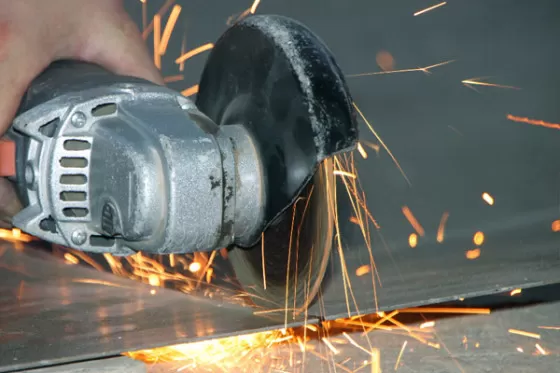
Angle grinders are versatile tools widely used in cutting, grinding, and polishing operations in various industries. Proper installation of angle grinder cutting discs is essential to ensure safety and performance. This article provides a detailed guide on installing cutting discs, emphasizing compatibility checks, safety measures, avoiding common errors, and testing procedures. Whether you are using metal grinding tools or abrasive cut off wheel types, this guide will help users optimize the efficiency and safety of these powerful tools.

The installation of cutting discs requires careful attention to detail to ensure optimal performance and safety. Follow these steps to install a cutting wheel effectively:
Choose the Right Disc: Ensure the disc selected is appropriate for the material, such as grinding wheels for metal or an inox cutting wheel.
Inspect the Disc and Grinder: Look for any visible damage on the disc and ensure your grinder's spindle and mounting components are in good condition.
Position the Disc: Place the cut off wheel for grinder firmly on the spindle, aligning the mounting hole of the disc with the spindle.
Secure the Disc: Using the grinder’s lock nut or flange, tighten it securely to hold the disc in place, ensuring no movement or wobbling.
For users employing a flapper wheel for grinder or flap sanding disc, the correct installation takes precedence to ensure effective sanding or grinding. Incorrect mounting can lead to poor performance or potential accidents.
Ensuring compatibility between the abrasive cut off wheel or other cutting discs and the angle grinder is crucial. Consider the following factors:
| Disc Type | Compatible Materials | Grinder Speed (RPM) |
|---|---|---|
| Metal Cutting Wheels | Steel, Iron | 10,000 - 12,000 |
| Aluminum Cutting Wheel | Aluminum, Copper | 8,000 - 10,000 |
| Grinding Wheels | Metal, Stone | 6,000 - 8,000 |
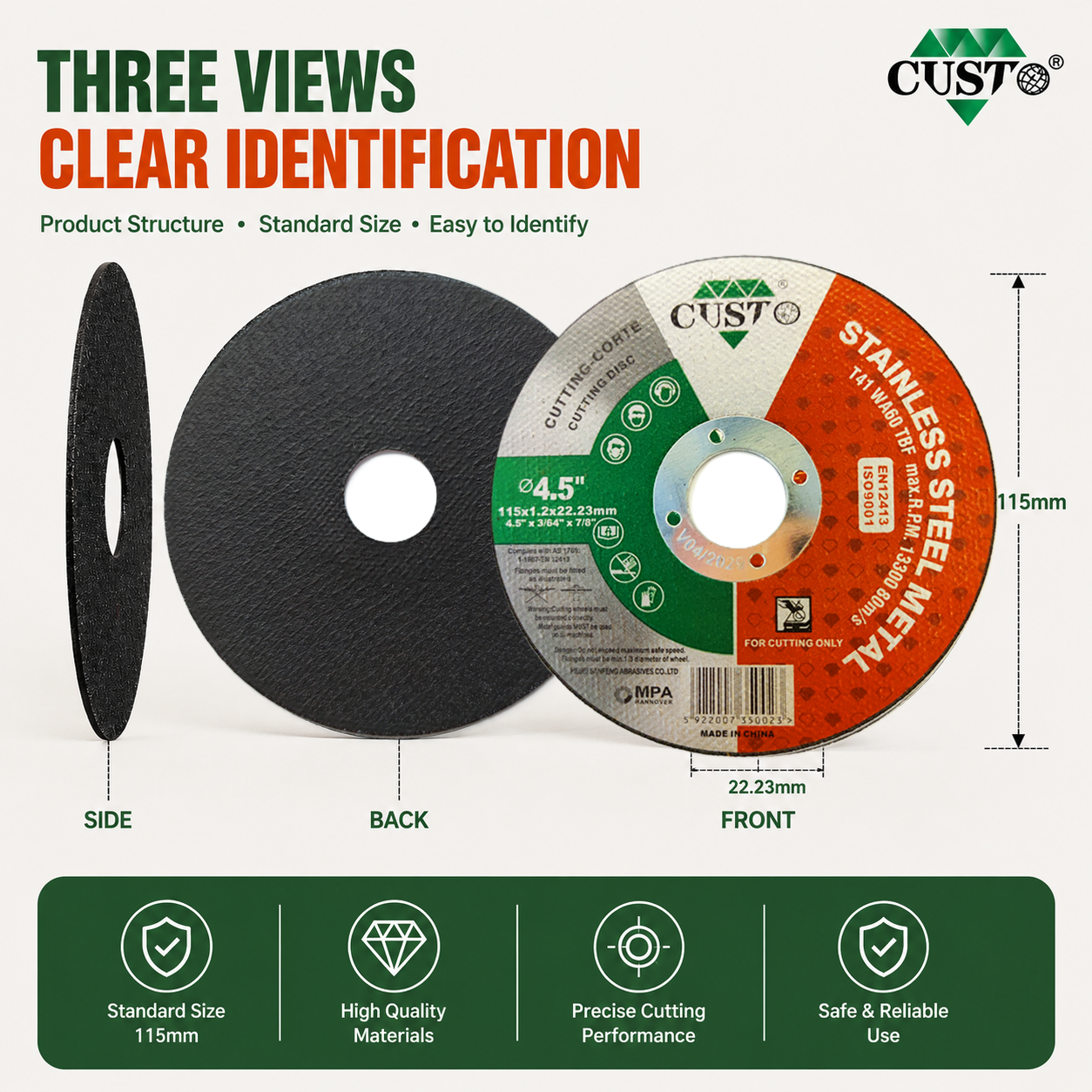
Compatibility checks extend to the dimensions, such as diameter and arbor size. Selecting the wrong cutting wheel for grinder can lead to inefficiencies, damage to the grinder, or injuries. Always verify the specifications against those marked on the grinder.
Safety is paramount when handling angle grinders and cutting discs, requiring adherence to protective measures:
Wear protective gear such as goggles, gloves, and a dust mask.
Ensure the workspace is clear of distractions and obstacles.
Check that the grinding wheel types are suitable for the task.
Utilize guards if equipped and position them properly to shield against flying debris.
Regularly inspect the cutting disc for wear and damage before and during operation.
These steps minimize hazards associated with angle grinders when using metal cutting wheels or other disc types. Being mindful of safety protocols not only protects the user but ensures longevity and effective operation of the equipment.
There are frequent mistakes that users encounter when installing and using angle grinder blades for metal or other discs:
Incorrect Size Disc: Using a disc incompatible with the grinder's specifications undermines performance.
Over-Tightening: Excessive pressure when securing the lock nut may damage the disc.
Ignoring Wear and Damage: Proceeding with damaged discs can lead to breaks or hazardous incidents.
Improper Guard Usage: Removing or altering guards exposes operators to risks.
Avoiding these errors when installing an abrasive flap wheel enhances the grinder's effectiveness, fostering safe operations and prolonged equipment lifespan.
Before deploying any grinder with a freshly installed abrasive grinding wheel, it is critical to conduct tests:
Start the Grinder: Operate it at low speed to check for vibrations or irregular movement.
Inspect Alignment: Verify the disc spins evenly and securely.
Test a Sample: Begin with a small cut to ensure the disc cuts as expected without discrepancies.
Monitor Performance: Watch for unusual noises or pressures during operation.
Testing procedures ensure that whether you're employing an aluminum oxide grinding disc or 120 grit flap disk, the installation is robust and safe. Implementing routine tests builds confidence in crafts, leading to precise results and satisfaction in mechanical applications.
Proper installation and handling of angle grinder cutting discs are foundational to safety and effectiveness in industrial and domestic applications. By understanding the compatibility requirements, employing safety measures, avoiding common pitfalls, and implementing thorough testing, users can achieve efficiency and safety simultaneously. Whether seeking cut off wheel solutions or grinding disc for metal applications, adhering to these practices enhances the life and performance of an angle grinder. Always remember to stay informed, prioritize safety, and choose quality components to ensure optimal results.
 English
 Türkçe
 한국어
한국어 français
 Español
 русский
 português
 العربية
 български
 Nederland
 Latinae