Abrasive wheels are a fundamental component in various metalworking processes, serving as the primary tool for cutting, grinding, and polishing metal surfaces. Whether using metal cut-off wheels, grinding wheels, or a flapper wheel for a grinder, understanding their function and proper handling is crucial for ensuring both quality results and safety. This guide will explore what makes up an abrasive wheel, its core types, applications in metalworking, the safety measures to be observed, and maintenance tips. By understanding these elements, whether you're using an angle grinder cutting discs or selecting the right grinding wheels for metal, you can enhance your operational efficiency and safety.

Abrasive wheels are precision tools that are used extensively in metalworking for cutting, smoothing, and shaping materials. Composed of abrasive grains bonded together, they operate by removing material upon contact through friction. The abrasive grains function like tiny tools, each of which chops away at the material being worked. Common materials include diamond, silicon carbide, and aluminum oxide, each chosen for its distinct properties and specific applications.
| Abrasive Material | Typical Use | Attributes |
|---|---|---|
| Aluminum Oxide | General metal grinding, especially on steel | Durable and economical |
| Silicon Carbide | Non-ferrous metals and cast iron | High cutting efficiency, sharper grains |
| Diamond | Ceramics and precision grinding | Extreme hardness and sharp edges |
Several types of abrasive materials are commonly used, with varying qualities suited for different applications. Grinding stones for metal often utilize aluminum oxide, known for its strength and form retention, ideal for high-stress applications on steel and strong metal cutting wheels. Silicon carbide, on the other hand, is used in scenarios where a sharper cut is necessary, such as working with softer metals like aluminum or cast iron. For the more challenging and intricate tasks, such as precision grinding of delicate materials, industrial diamonds come into play, offering unparalleled hardness.
Choosing the right abrasive tool, such as a 40 grit flap disc, can affect the outcome of your work significantly by ensuring efficiency and quality. Additionally, classification by grit size—from coarse to ultra-fine—dictates the degree of finish and material removal rate. To gain further insight into the classification, you can explore the article on abrasive wheels types.
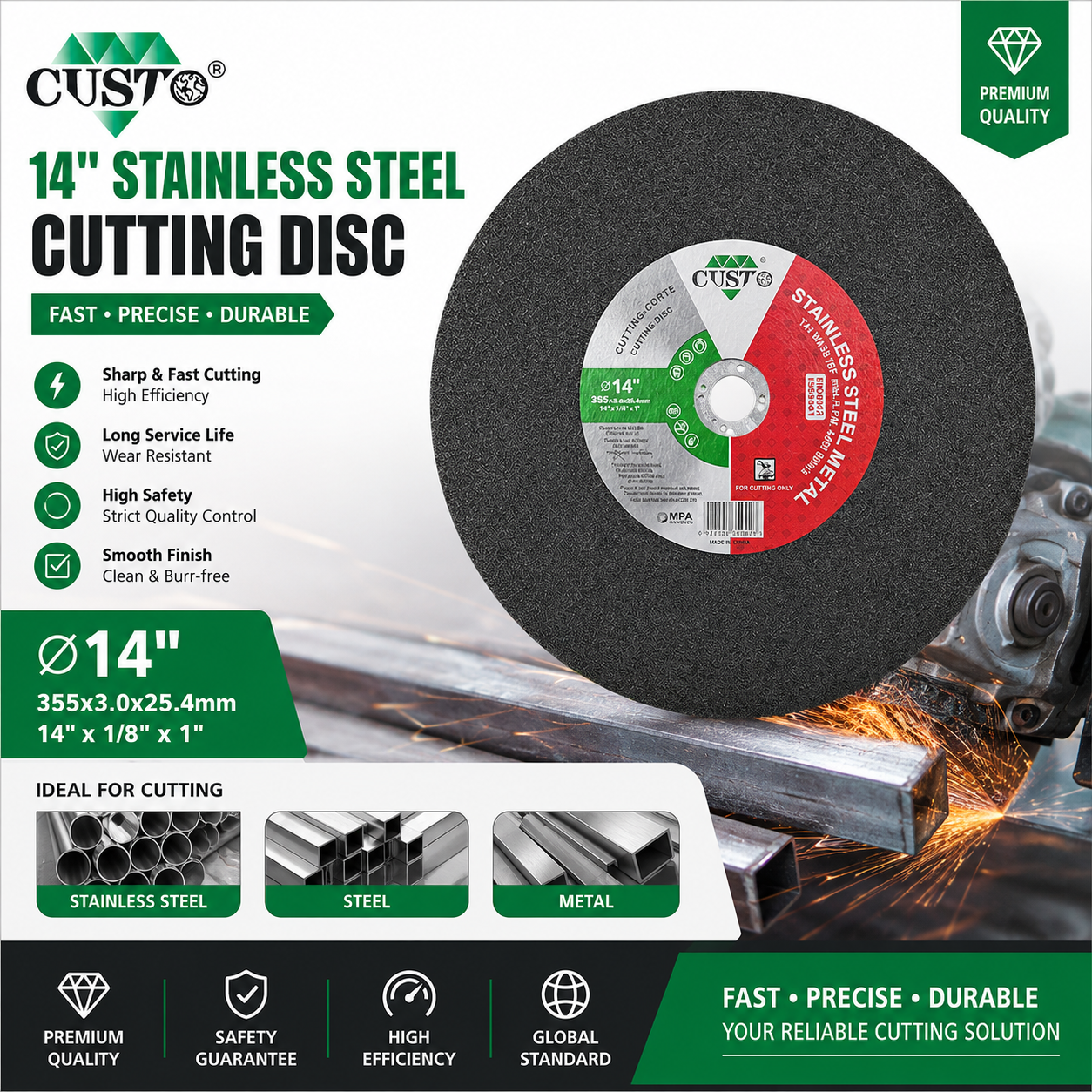
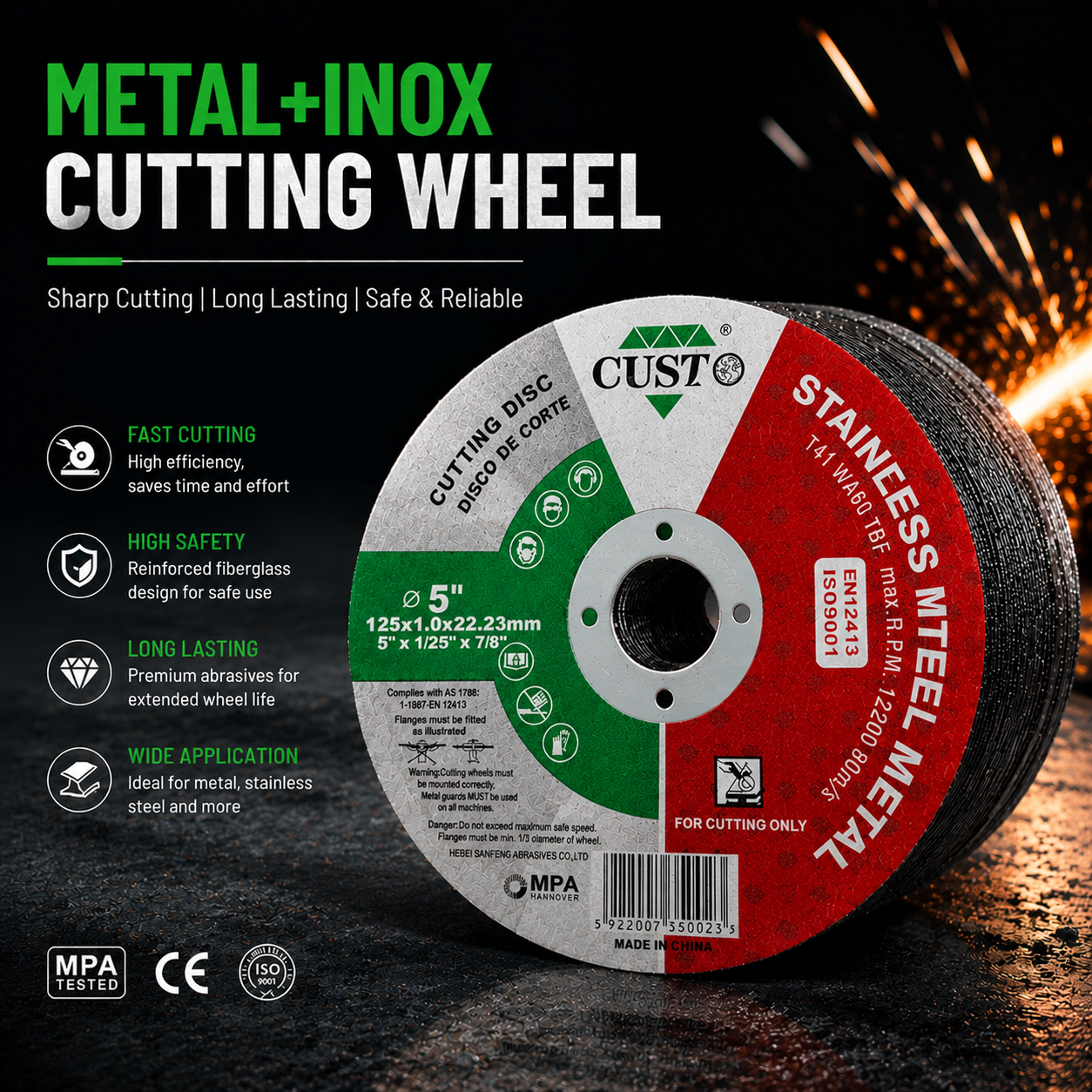
The versatility of abrasive wheels makes them indispensable in metalworking. They can quickly remove large amounts of metal with precision and are integral in processes such as cutting, shaping, and finishing. Cut off wheels and angle grinder cutting discs are commonly used for slicing through metal sheets and bars, with their thin profiles offering minimal material loss and clean cuts. Grinding wheels provide surface finishing and shaping, ensuring uniformity and smoothness. Flap discs and flap sanding disc are well-suited for removing burrs and creating smooth, polished surfaces with ease.
Whether you're employing a metal cutting wheel for grinder or a stainless steel grinding wheel, understanding their unique properties ensures that the appropriate tool is used for each specific task, ultimately enhancing the durability and appearance of the final product.
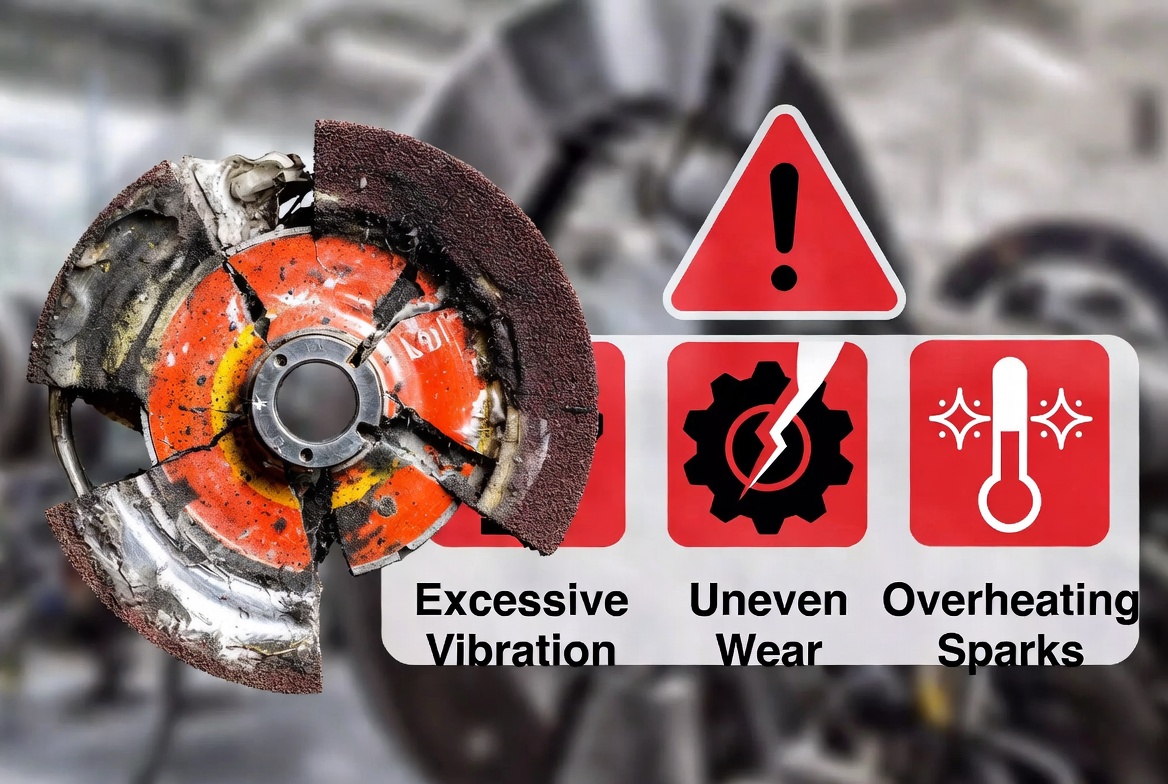
Ensuring safety while using abrasive wheels is paramount, given the potential hazards encountered during operations. Proper handling begins with selecting the appropriate wheel for the task. Regular inspection of grinder blades for metal for cracks or wear, using wheel guards, and adhering to the recommended operational speeds are critical safety measures.
It is essential to equip yourself with personal protective equipment (PPE), such as safety goggles, face shields, and gloves, to prevent injuries from airborne particles and accidental contact with the wheel. Strict adherence to manufacturer guidelines on wheel cut off metal speeds and compatibility with specific tools is necessary to avoid operational mishaps.
Proper maintenance and storage can significantly extend the life of abrasive wheels and ensure consistent performance. Regularly inspecting wheels for wear, damage, or imbalance is crucial. Maintaining clean and dry storage conditions helps prevent moisture absorption that can weaken the bond in the wheels. Abrasive wheels should be rested on surfaces that do not compromise their structural integrity.
Old or unused wheels should be stored in a manner that safeguards against environmental factors and minimizes the risk of accidental breakage. Properly maintained abrasive wheels, such as the abrasive cut off wheel or grinding discs for metal, will perform reliably and safely.
Abrasive wheels play a crucial role in metalworking, where they are employed for cutting, shaping, and finishing metal surfaces with precision. Understanding their functionality, selecting the correct wheel, and following safety and maintenance guidelines are vital components to achieving desired outcomes and prolonging the life of the tools. By integrating these practices, from using abrasive flap wheel correctly to recognizing when a cutting disc needs replacing, operations can be enhanced both in terms of efficiency and safety.
The next time you reach for an inox cutting wheel or assess grinding wheel types, you can ensure maximum performance by applying your new knowledge strategically. Stay informed, stay safe, and keep your operations running smoothly with the right choice of abrasive tools. As one of the leading abrasive wheels manufacturers, Sanfeng designs and manufactures resin abrasives that are exported to over 20 countries across North America, the Middle East, Southeast Asia, and Africa, earning a strong global reputation for performance and reliability. With 17 years of international marketing experience, the company is dedicated to expanding its market presence and building a world-renowned brand. Feel free to contact Sanfeng and get your customized abrasive business.
 English
 Türkçe
 한국어
한국어 français
 Español
 русский
 português
 العربية
 български
 Nederland
 Latinae