Grit size is one of the most misunderstood yet critical specifications when selecting abrasive wheels. At Sanfeng Abrasives, with over 25 years of manufacturing experience, we’ve seen countless factories lose productivity simply because they chose the wrong grit. This guide explains everything engineers and buyers need to know to make smarter, more cost-effective decisions.
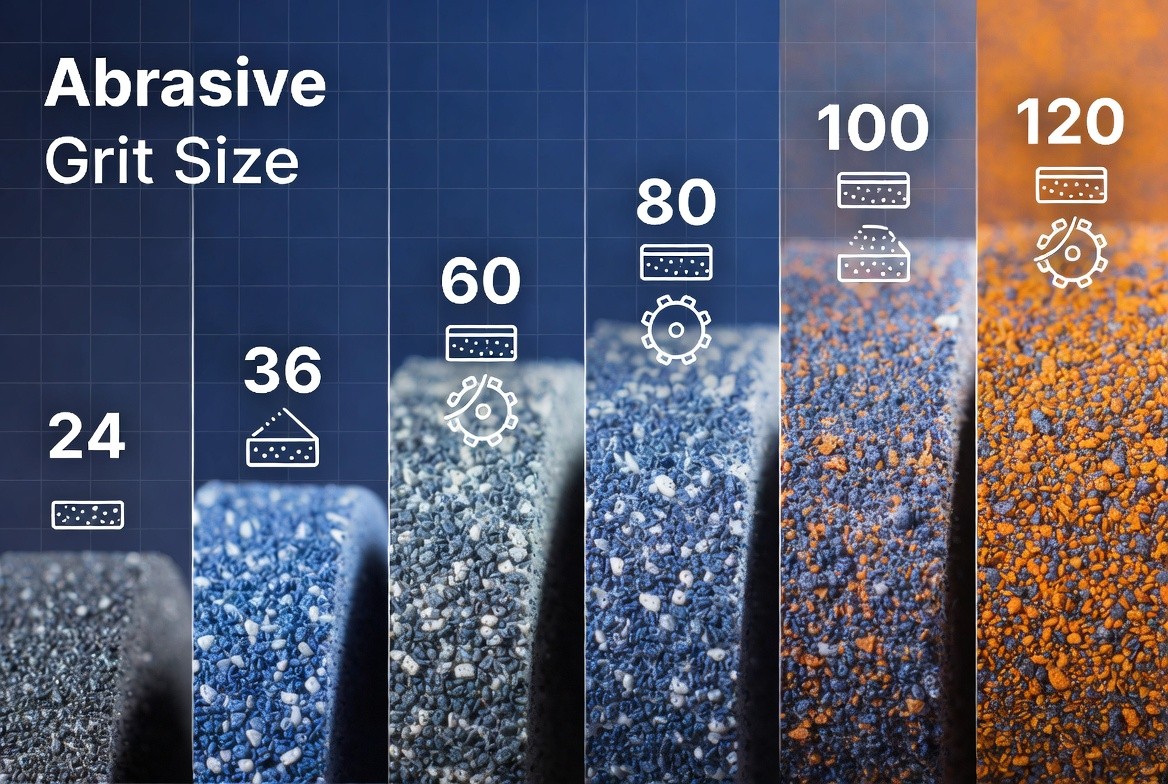
Grit size refers to the average diameter of the abrasive particles embedded in the wheel. The lower the number, the coarser the grit — meaning larger particles that remove material faster but leave a rougher surface. Higher numbers indicate finer particles for smoother finishes.
Understanding the three main categories helps match the wheel to your actual production needs.
Coarse grits (24–36) excel at heavy stock removal. They cut aggressively through thick welds, slag, and scale, making them ideal for initial cleanup in foundries and shipyards.
Medium grits (60–80) offer a practical balance between speed and finish. Fine grits (100–120 and above) are reserved for final polishing and precision work where surface roughness (Ra value) is strictly controlled.
Here’s a practical reference table summarizing grit recommendations based on real-world applications at Sanfeng Abrasives:
| Grit Size | Application | Expected Material Removal | Surface Finish Quality | Typical Industries |
|---|---|---|---|---|
| 24–36 | Heavy slag removal, fast cutting | Very High | Rough | Foundries, Shipbuilding |
| 40–60 | General weld removal | High | Medium-Rough | Metal Fabrication, Automotive |
| 60–80 | Blending and deburring | Medium | Medium | Machinery, Construction |
| 100–120 | Surface finishing | Low | Smooth | Precision Manufacturing, Stone |
Different jobs demand different cutting behaviors.
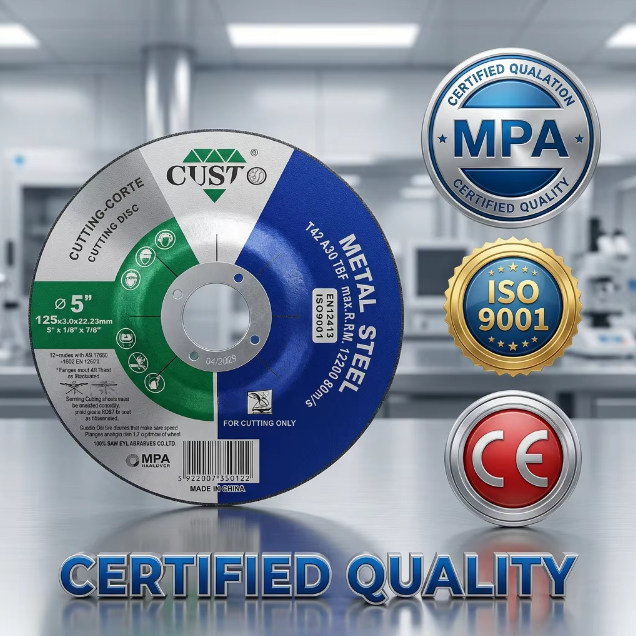
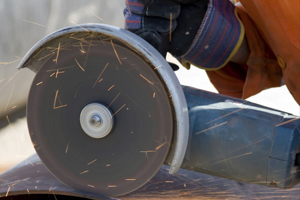
For straight cuts on carbon steel or stainless steel, 60–80 grit in our METAL Cutting Wheels provides the best balance of speed and clean edges without excessive burr formation.
In heavy fabrication, 36–40 grit wheels from Sanfeng deliver rapid stock removal on fillet welds while maintaining wheel integrity under high pressure.
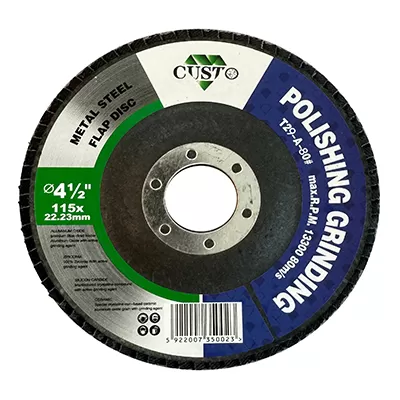
For automotive bodywork or machinery components requiring paint-ready surfaces, our 100–120 grit Flexible Grinding Wheels produce consistent, low-Ra finishes with minimal operator effort.
Coarser wheels usually last fewer minutes per wheel but complete the job faster, lowering overall labor cost. Finer wheels last longer but remove material slowly. The sweet spot is often a two-step process: coarse grit for bulk removal followed by medium grit for finishing. Sanfeng customers frequently report 25–35% lower total cost per part when they optimize grit selection this way.
The most frequent mistakes include using fine grit for heavy removal (causing glazing and burning) or coarse grit for final finishing (requiring extra polishing steps). Both errors waste time and money. Another common issue is sticking with the same grit across all materials — aluminum, for example, loads quickly with fine grits unless a non-loading formulation like our ALUMINUM series is used.
Want to stop wasting money on suboptimal grit choices? Sanfeng Abrasives’ technical team has helped hundreds of manufacturers reduce their abrasive consumption by matching the exact grit to their material and machine. Whether you need bulk OEM supply or a customized grit recommendation for your specific process, contact us today for a free application review and sample wheels. Let’s help you achieve faster cuts, better finishes, and lower costs.
 English
 Türkçe
 한국어
한국어 français
 Español
 русский
 português
 العربية
 български
 Nederland
 Latinae